As part of the August 2026 commissioning service in Nigeria, the KES Separation technical team performed systematic commissioning‑testing of the two decanter centrifuges and their feed pump, and delivered training to the local team.
A Systematic Commissioning Process for Solids Control System
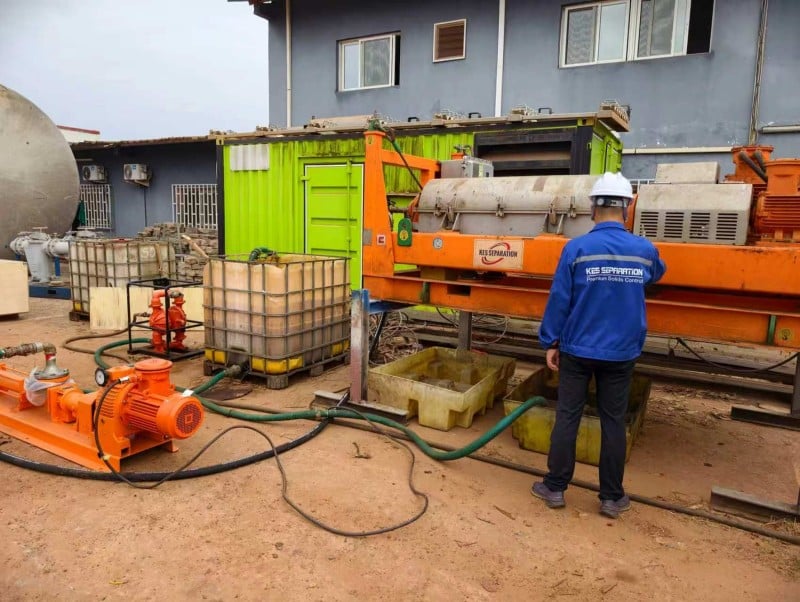
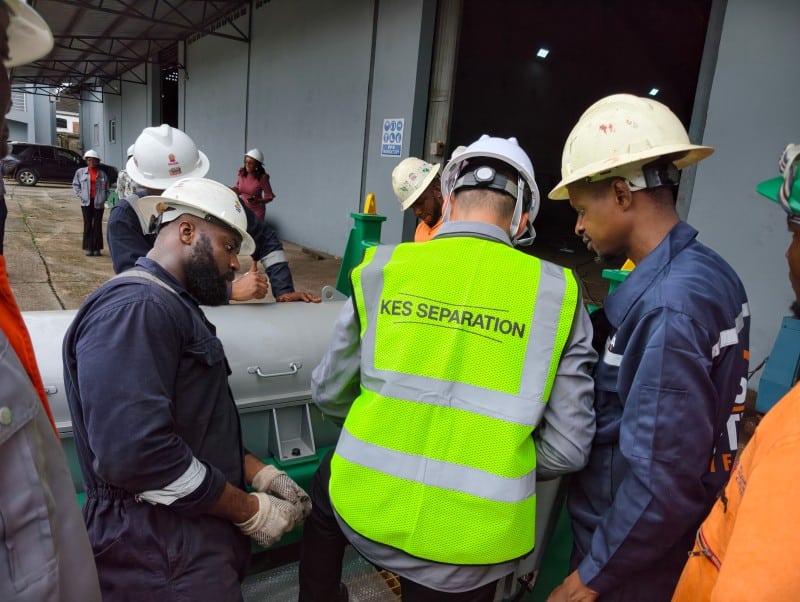
At the customer’s site, KES Separation engineers carried out a systematic inspection and commissioning process for the two decanter centrifuges and their feed pump.
Before testing, the centrifuges and screw pump were moved to a suitable open area using a forklift. The engineers connected the mono pump to the water tank and centrifuges through the inlet and discharge hoses, carefully checking all connections to ensure they were secure and properly sealed.
Once the mechanical connections were completed, a qualified electrical engineer carried out the necessary electrical checks and Jog-start tests. The rotation direction of both the main-drive and back-drive motors was verified before continuous operation. The feed pump was also tested separately to confirm its correct rotation direction.
Particular attention was given to the feed pump during this stage. The engineers checked the rotation from the pump shaft rather than simply observing the motor. They also emphasized an important operating principle to the customer: a mono pump must never run dry, as dry running can quickly cause overheating and damage to the stator.
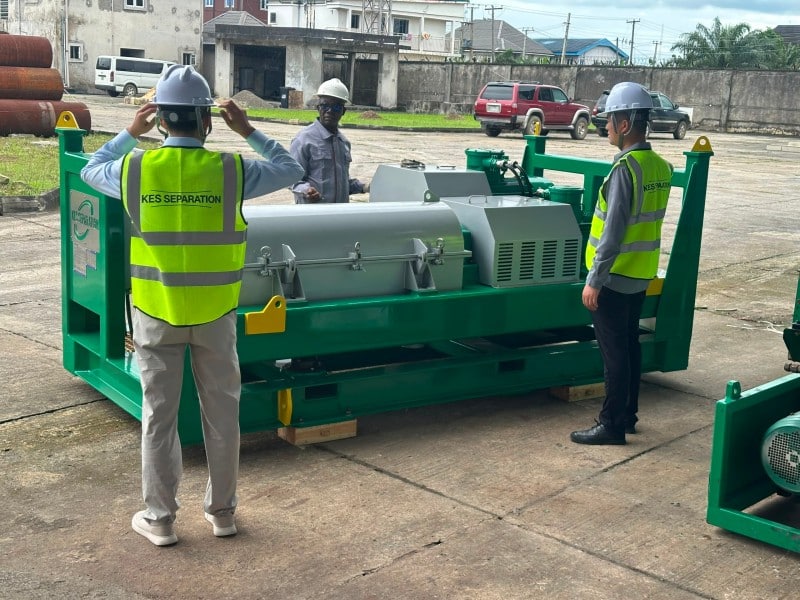
After the preliminary checks, the centrifuges were fully started and allowed to reach their designated operating speed. The feed pump was then started to introduce water into the centrifuges. During the test, the engineering team monitored the centrifuge current, overall vibration and bearing temperature to evaluate the equipment’s operating condition.
These checks are important because centrifuge performance depends not only on bowl speed, but also on the coordination between the centrifuge, feed pump, piping and actual process conditions. Parameters such as feed flow, differential speed and bowl speed can be adjusted according to the characteristics of the material being processed.
On-Site Support Beyond Equipment Commissioning
During the field service, KES Separation engineers also worked closely with the customer’s operating team, providing practical guidance on equipment operation, parameter adjustment and routine maintenance.
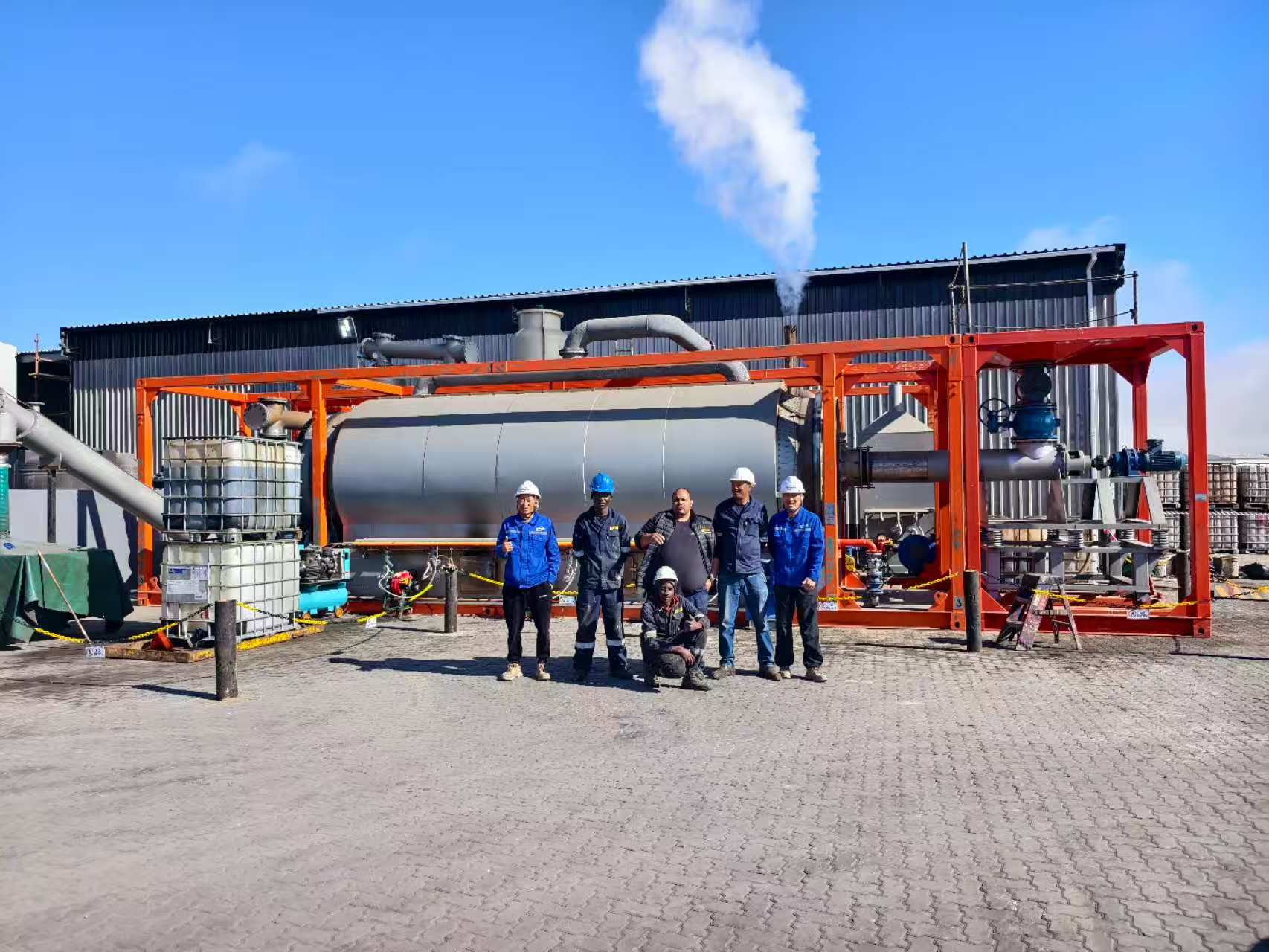
Meanwhile, the customer was also actively preparing the site for the upcoming installation of the Thermal Desorption Unit supplied by KES Separation. The designated installation area was being organized and prepared in advance to provide suitable conditions for the equipment’s installation and subsequent commissioning.
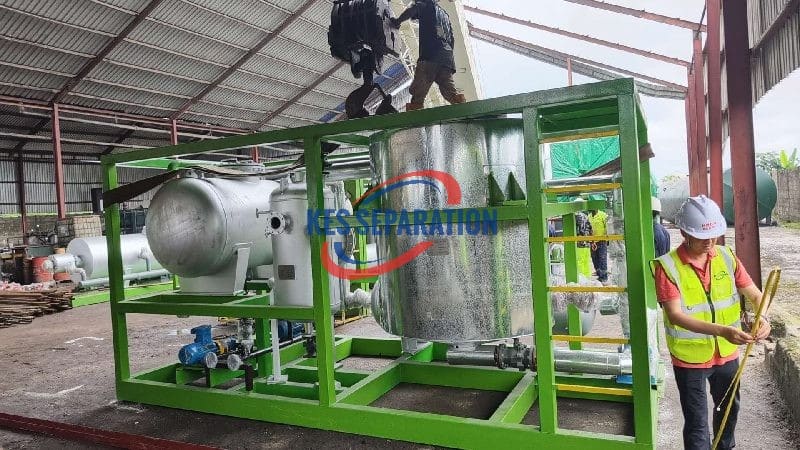
This site preparation reflects the importance of close cooperation between KES Separation and its customers. Proper preparation of the working area, equipment foundation, access and supporting facilities can help make the installation process more efficient and ensure a smoother transition from delivery to operation.
For KES Separation, field commissioning is more than simply starting a machine. It is an opportunity to understand the customer’s actual working environment, verify equipment performance and provide operators with practical experience and technical knowledge.
Decanter centrifuges are widely used in drilling fluid solids control and other solid-liquid separation applications. By applying high centrifugal force, they can continuously separate fine solids from liquid, helping improve fluid quality and reduce the accumulation of unwanted solids in the process system.
The progressive cavity screw pump also plays an important role in applications requiring controlled and continuous feeding. Its ability to handle fluids with relatively high viscosity or solids content makes it a suitable feeding solution for certain separation processes.
The TDU is designed to give oil-contaminated waste a second chance. It can treat materials such as oily sludge, drilling cuttings and contaminated soil. By heating the material under controlled conditions, the oil and other hydrocarbons are released from the solids and separated for further treatment or recovery. This helps reduce the amount of waste that needs to be disposed of while making the overall treatment process more efficient.
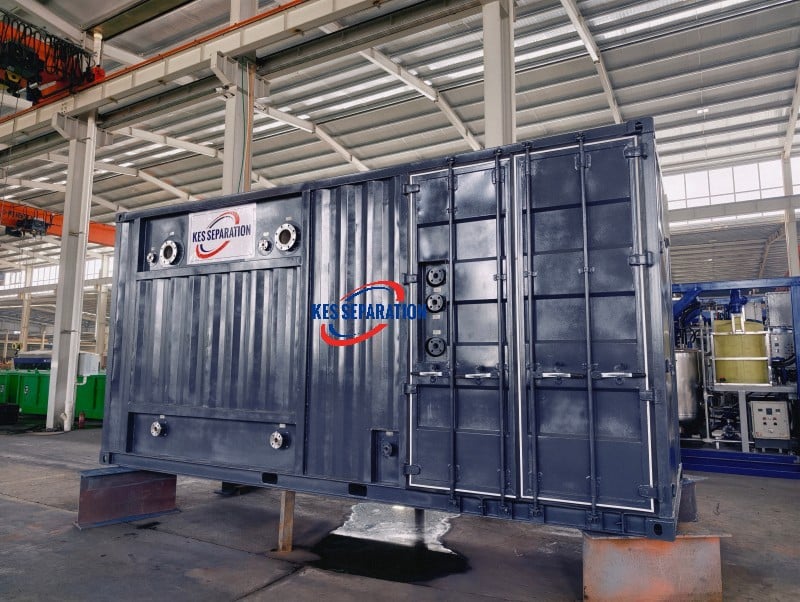
From equipment manufacturing and factory testing to installation, commissioning and technical training, KES Separation continues to provide integrated support for customers in the oil and gas and industrial separation sectors.
This latest service trip to Nigeria once again demonstrates KES Separation’s commitment to supporting customers beyond equipment delivery — bringing our equipment, technology and technical expertise directly to the job site.