Thermal Desorption Unit
Product Features
High Efficiency Thermal Desorption Unit for Oil Sludge Treatment
A thermal desorption unit is an advanced system used for treating oil-contaminated waste such as drilling cuttings, oil sludge, and hazardous materials. It uses controlled heat to separate hydrocarbons from solids, making it an environmentally friendly and highly efficient waste management solution.
This high-performance thermal desorption unit is widely used in oil & gas drilling, refinery operations, and environmental remediation projects.
What is a Thermal Desorption Unit?
A thermal desorption unit (TDU) is specialized equipment designed to remove contaminants from solid materials using heat. The process heats the contaminated material to a specific temperature, causing hydrocarbons and water to evaporate without combustion.
The vaporized hydrocarbons are then condensed and recovered, while the remaining solids become dry and safe for disposal or reuse.
🔹 Key Features of the Unit
- High-efficiency hydrocarbon recovery system
- Indirect heating technology (non-incineration process)
- Continuous and automatic operation
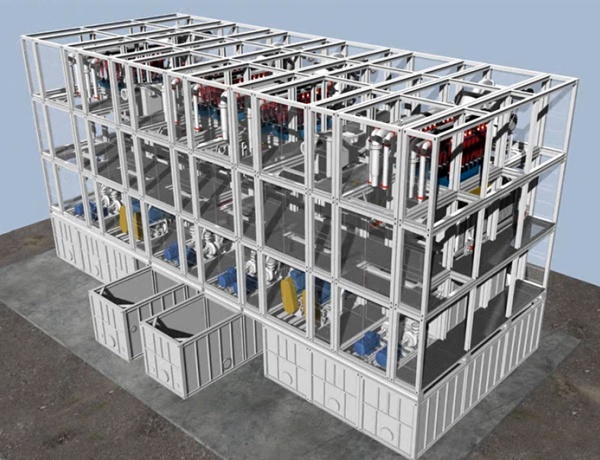
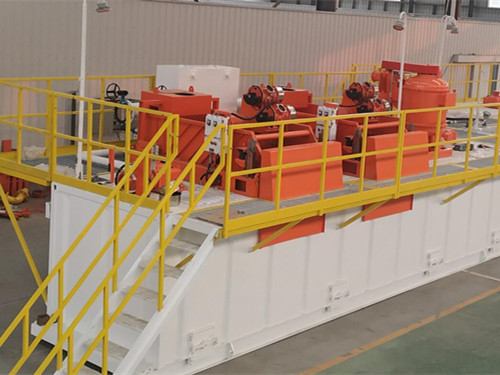
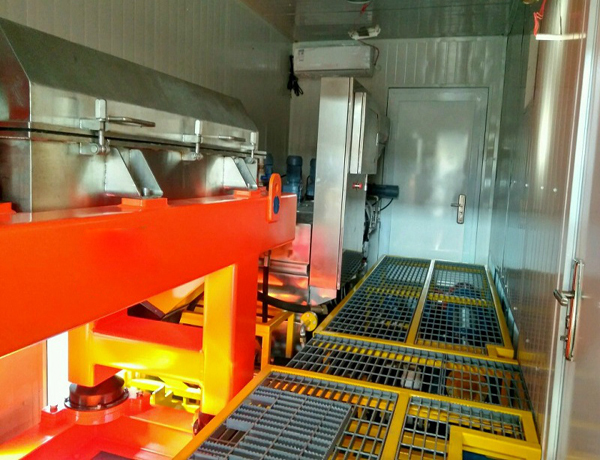
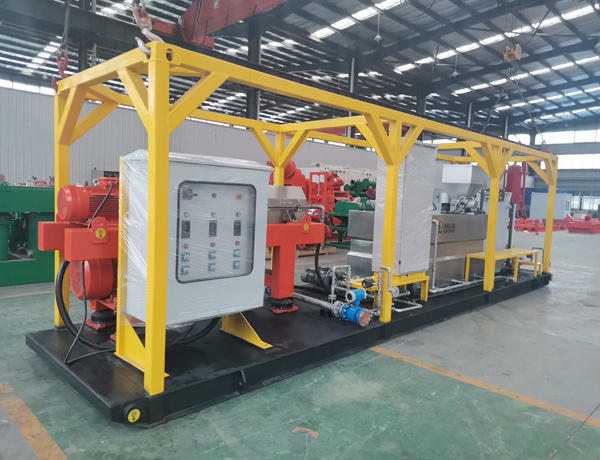
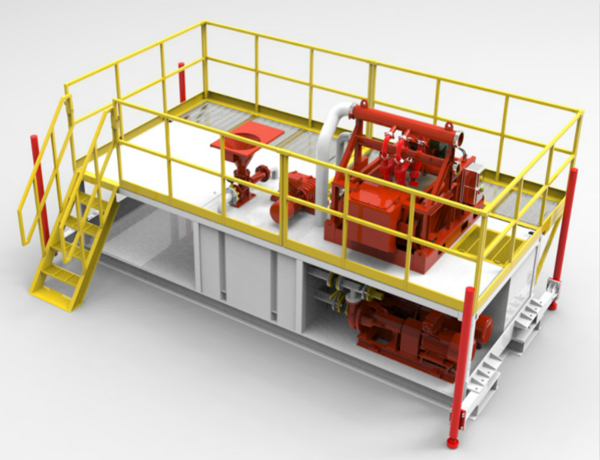
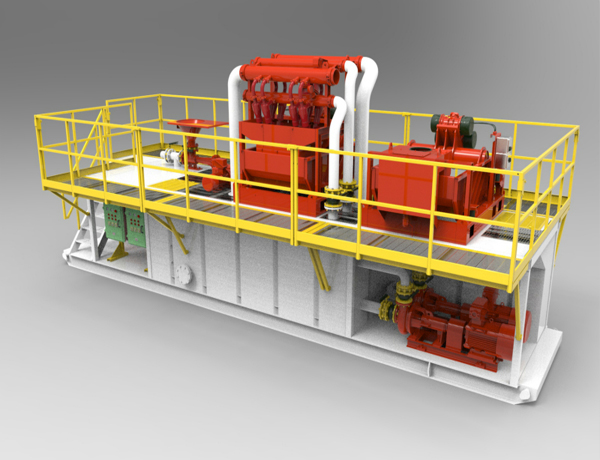
- Skid-mounted modular design
- Low environmental impact
- Advanced emission control system
🔹 Applications
- Oil & Gas drilling waste treatment
- Oil sludge and tank bottom cleaning
- Contaminated soil remediation
- Refinery waste management
- Hazardous industrial waste treatment
It is a key part of modern solids control and waste management systems.
🔹 Working Principle
The working process of a thermal desorption unit involves several steps:
1. Feeding System
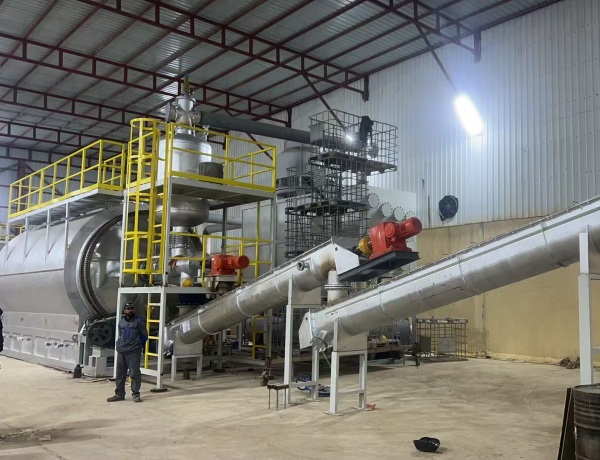
Contaminated sludge or drilling cuttings are fed into the system through conveyors.
2. Heating Process
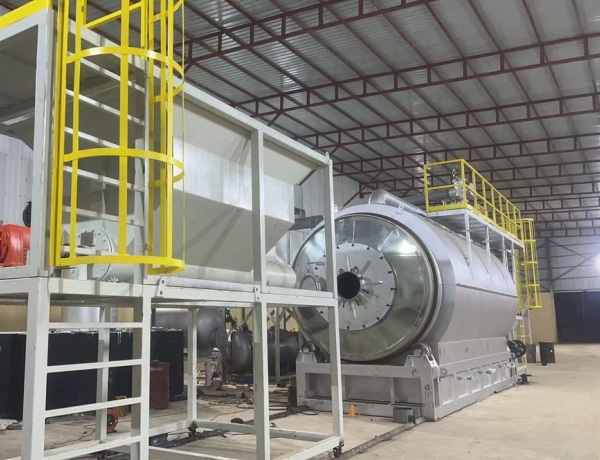
The material is heated in a rotary kiln or chamber (typically 250°C to 600°C) to vaporize hydrocarbons.
3. Separation
Oil and water are separated from solids through evaporation.
4. Condensation
Vapors are cooled and condensed into reusable oil and water.
5. Solid Discharge
Clean solids are discharged safely for reuse or disposal.
🔹 Technical Specifications (Typical)
- Processing Capacity: 3–5 tons/hour
- Heating Temperature: Up to 600°C
- Residual Oil Content: <0.3%
- Heating Method: Indirect heating
- Power Supply: 380V / 50Hz
- Operation: Continuous automatic system
Advantages of the Unit-
- Recovers up to 99% hydrocarbons
- Reduces environmental pollution
- Converts waste into reusable resources
- Low operating and disposal cost
- High processing efficiency
- Meets environmental regulations
Why Choose Our Product?
Our desorption unit is engineered with advanced technology to deliver superior performance and durability.
Key benefits include:
- High recovery efficiency
- Energy-saving design
- Strong and reliable structure
- Easy operation and maintenance
- Customizable configurations
Maintenance Tips
- Regular inspection of heating system
- Cleaning of condensers and pipelines
- Monitoring temperature and pressure
- Scheduled lubrication of moving parts
The thermal desorption unit is a powerful solution for modern waste management and environmental protection. Its ability to efficiently recover hydrocarbons and reduce hazardous waste makes it an essential system for oil & gas and industrial applications.
Investing in a high-quality desorption unit ensures better performance, sustainability, and long-term cost savings.
FAQ–
1. What is a thermal unit?
A thermal desorption unit is used to remove hydrocarbons from contaminated waste using heat.
2. What is TDU used for?
It is used for oil sludge treatment, drilling waste management, and soil remediation.
3. How does a desorption unit work?
It heats waste materials to vaporize hydrocarbons, which are then recovered.
4. Is thermal desorption environmentally friendly?
Yes, it is a non-incineration process with low emissions.
5. What industries use TDU?
Oil & gas, refinery, environmental, and construction industries.
6. What temperature does TDU operate at?
Typically between 250°C and 600°C.
7. Can oil be recovered?
Yes, up to 99% hydrocarbon recovery is possible.
8. What is the capacity of TDU?
Usually 3–5 tons per hour depending on model.
9. Is it automatic?
Yes, modern systems are fully automated.
10. Why choose TDU over incineration?
It is more efficient, eco-friendly, and cost-effective.