Desanding Plant
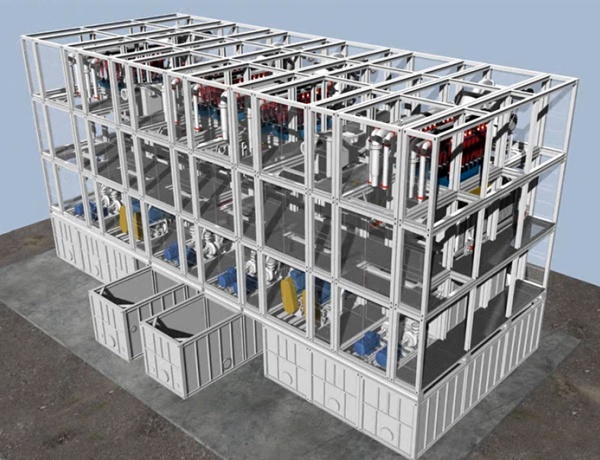
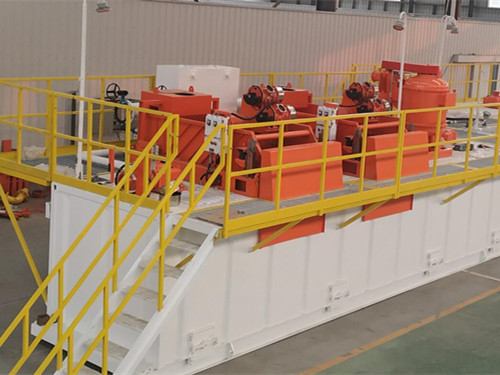
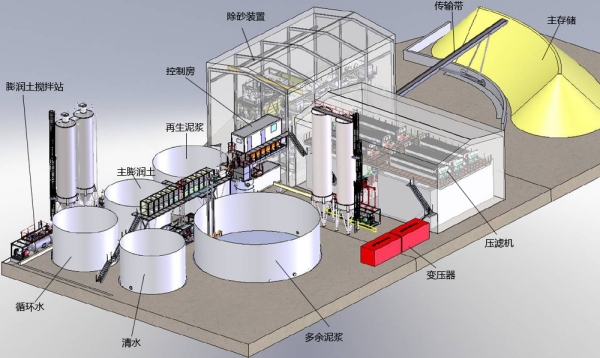
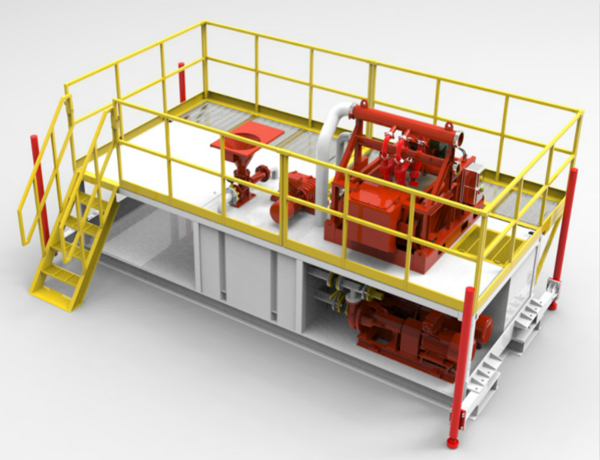
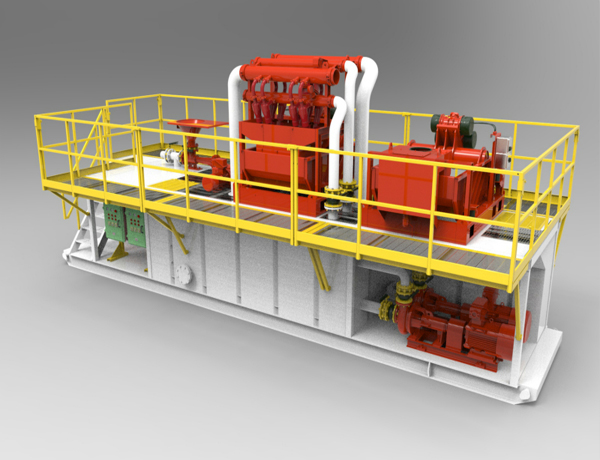
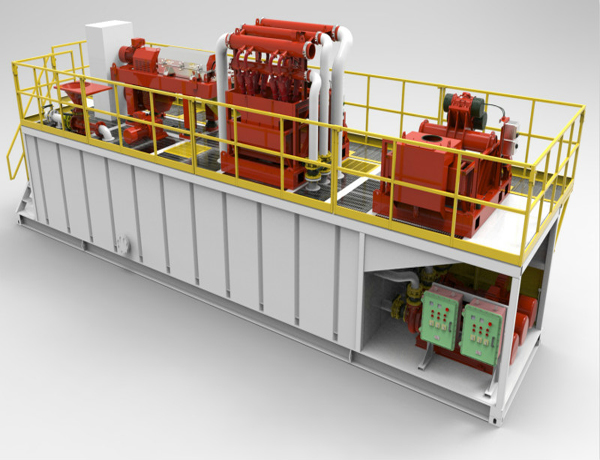
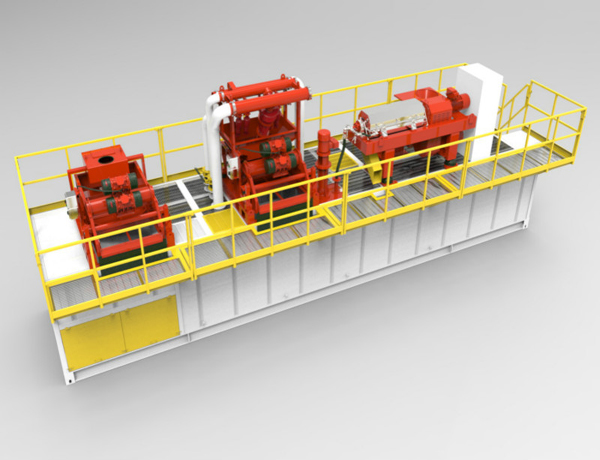
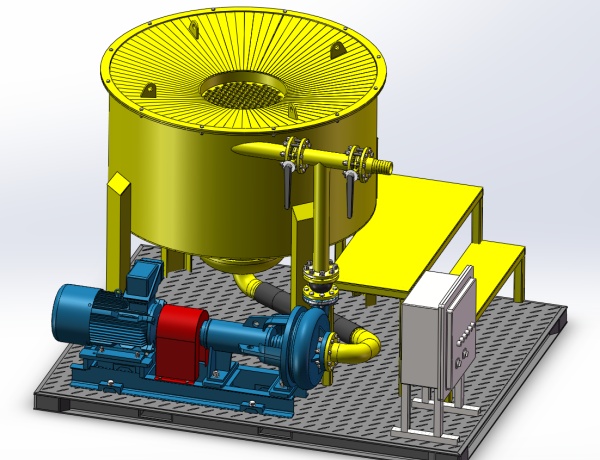
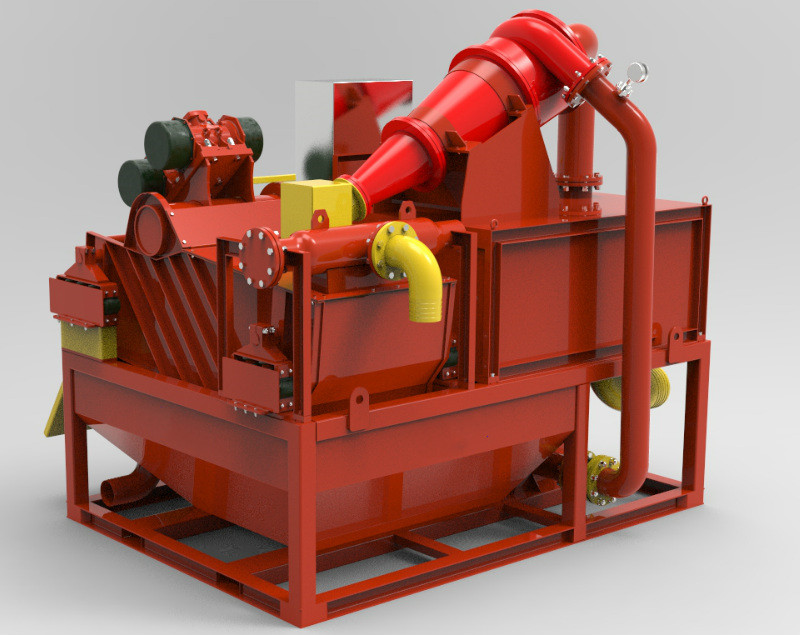
A desanding plant is a crucial system used in construction and drilling projects to remove sand and solid particles from slurry and drilling mud, ensuring efficient and continuous operations. It plays an essential role in industries such as tunneling, piling, and trenchless construction, where maintaining high-quality drilling fluid is critical for performance and cost control. By using advanced separation technologies like shale shakers and hydrocyclones, the system effectively separates unwanted solids while allowing clean mud to be reused, reducing waste and environmental impact. This not only improves drilling efficiency but also minimizes equipment wear and lowers operational costs.
Product Features
Desanding Plant for Construction Mud Treatment & Slurry Recycling
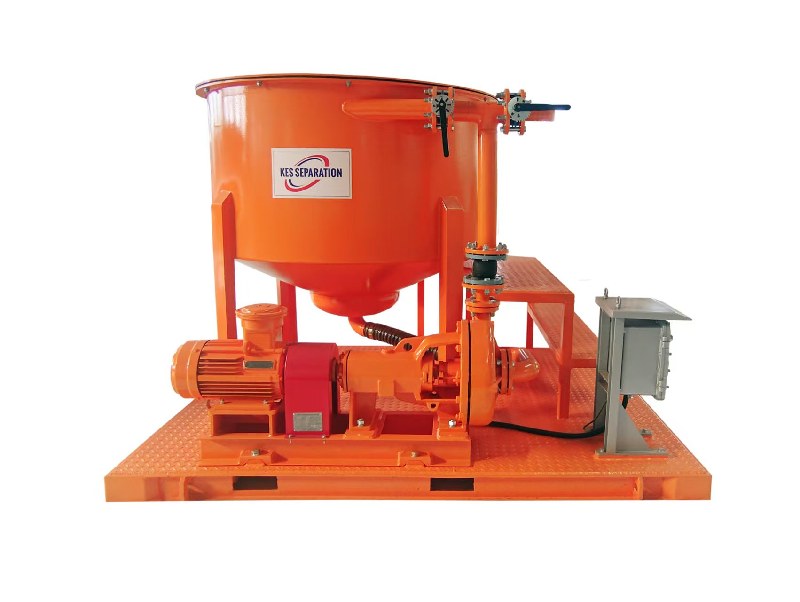
A desanding plant is an essential system used in construction and drilling projects to remove sand and solid particles from slurry and drilling mud. The advanced systems from KES Separation are designed to improve mud quality, enhance drilling efficiency, and significantly reduce operational costs.
Widely used in tunneling, pile foundation, and trenchless construction, these systems ensure continuous mud recycling and environmentally friendly operations. By integrating advanced separation technology, the plant helps maintain optimal mud performance and prevents equipment damage.
What is a Desanding Plant?
A desanding, also known as a slurry separation system or TBM desander, is a specialized equipment used to separate solid particles from drilling fluids. It plays a critical role in construction projects such as:
- Tunnel boring (TBM)
- Pile foundation drilling
- Diaphragm wall construction
- Pipe jacking projects
The system processes contaminated slurry and removes sand particles, allowing the cleaned mud to be reused efficiently.
Key Features-
- High-efficiency solid-liquid separation
- Continuous mud recycling system
- Modular design for easy installation
- Double-layer shale shaker for better filtration
- Reduced environmental impact
- Lower operational and disposal costs
Technical Specifications-
- Capacity: 20–400 m³/h
- Particle Size Removal: 30–60 microns
- Mud Density Handling: <1.4 g/cm³
- Power Range: 9–100 kW
Applications-
🔹 Civil Construction
- Piling and foundation drilling
- Diaphragm wall construction
🔹 Tunneling Projects
- Shield tunneling
- Tunnel Boring Machine (TBM) operations
🔹 Trenchless Technology
- Pipe jacking
- HDD (Horizontal Directional Drilling)
Benefits-
- Reduced drilling costs
- Reuse of drilling mud
- Improved drilling speed
- Eco-friendly operation
- Less equipment wear and damage
Why Choose KES Desanding?
KES Separation provides advanced solids control solutions with:
- Proven industry experience
- ISO-certified manufacturing
- Customizable system design
- Global technical support
- High-performance equipment
Their systems are engineered to deliver reliable and cost-effective performance in demanding environments.
A desanding plant is a vital component for efficient slurry treatment and mud recycling in construction and drilling projects. By removing harmful solids and improving fluid quality, it enhances operational efficiency while reducing environmental impact.
Choosing a reliable solution from KES Separation ensures long-term performance, cost savings, and sustainable project execution.
FAQ-
1. What is a desanding plant used for?
It remove sand and solid particles from drilling mud to improve efficiency and reuse slurry.
2. How does a desanding plant system work?
It uses shale shakers and hydrocyclones to separate solids from liquid efficiently.
3. Where is a desander used?
It is used in tunneling, piling, HDD, and construction projects.
4. What is the capacity of a plant?
It typically ranges from 20 m³/h to 400 m³/h.
5. What industries use it?
Construction, oil & gas, mining, and civil engineering.
6. What are the benefits of mud recycling?
It reduces costs, saves materials, and protects the environment.
7. What is TBM desanding?
A system used in tunnel boring projects to clean and recycle slurry.
8. Is that environmentally friendly?
Yes, it minimizes waste discharge and supports sustainable construction.
9. Can the system be customized?
Yes, systems can be designed based on project requirements.
10. What is the particle removal size?
Typically 30–60 microns.
👉 Learn more about slurry separation on Wikipedia