Oily Sludge Separation
Oily sludge separation is combined with thermal desorption units (TDU) for advanced treatment. Thermal desorption uses heat to remove hydrocarbons and can recover up to 99% oil, making it ideal for heavily contaminated sludge.
Description
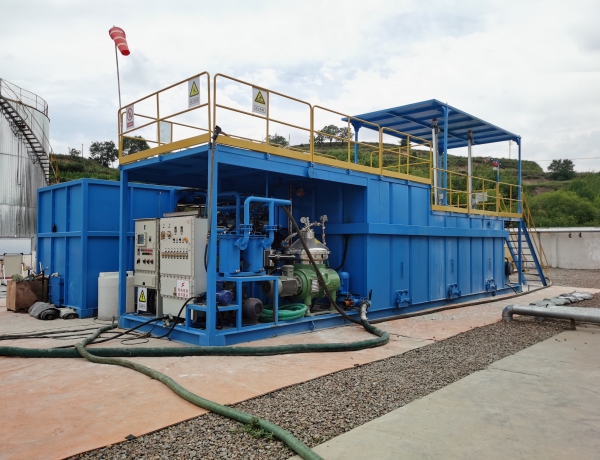
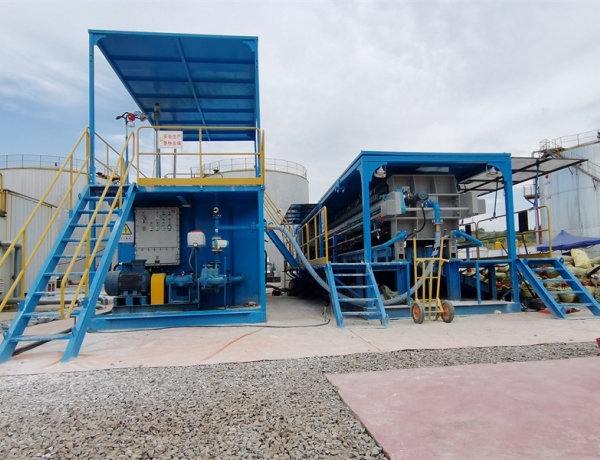
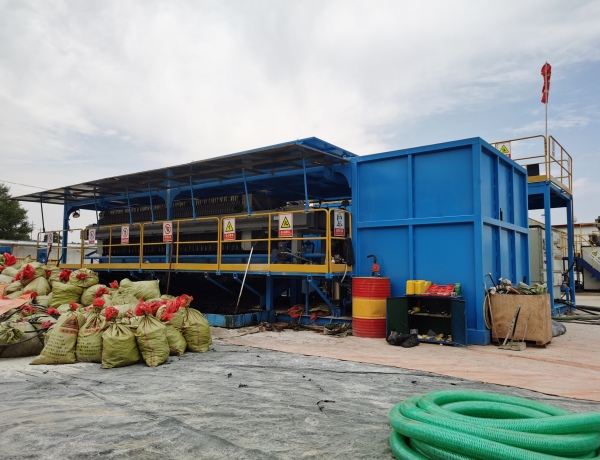
High Efficiency Oily Sludge Separation System for Oil Recovery
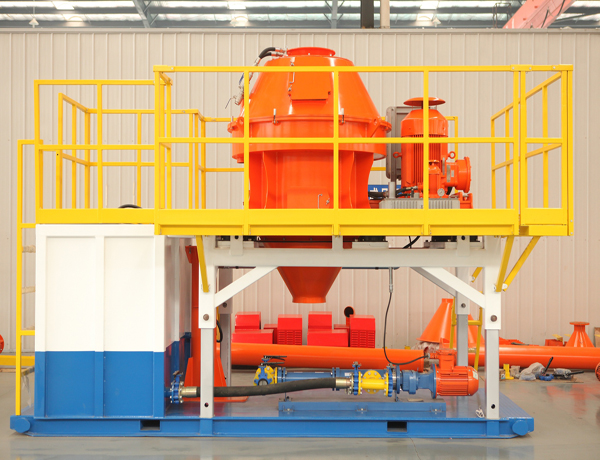
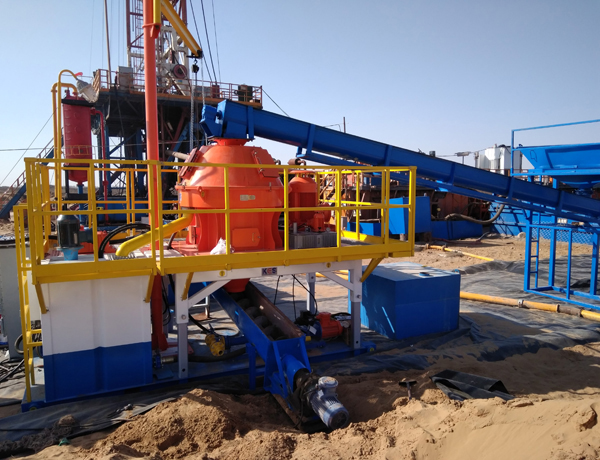
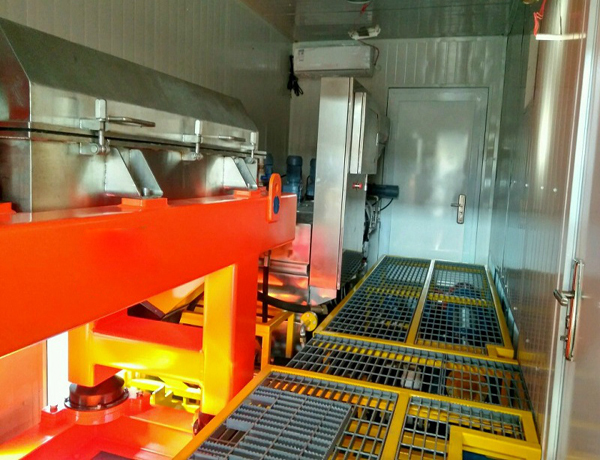
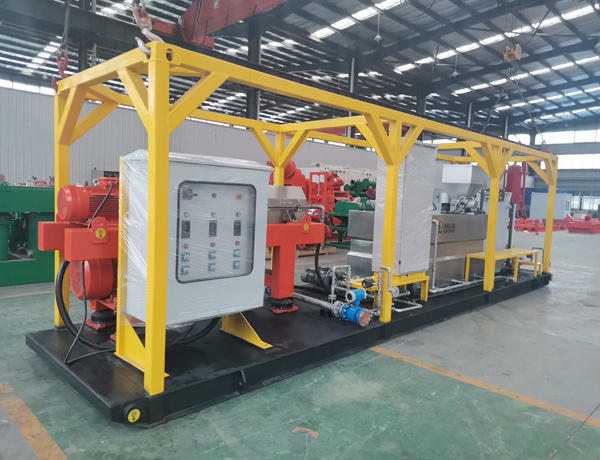
The oily sludge separation system is a critical solution for treating oil-contaminated waste generated from oilfields, refineries, and industrial operations. This advanced system separates oil, water, and solids efficiently, helping industries recover valuable resources while reducing environmental impact.
Modern oily sludge separation systems are designed to improve waste management efficiency and ensure compliance with environmental regulations.
What is Oily Sludge Separation?
Oily sludge separation is the process of breaking down and separating complex mixtures of oil, water, and solid particles found in industrial waste. This sludge is commonly generated from crude oil storage tanks, drilling operations, refinery waste, and contaminated soil.
The separation system enables recovery of reusable oil, clean water, and dry solids for safe disposal or reuse.
Key Features of Sludge Separation System
- High-efficiency oil recovery system
- Advanced filter press technology for better separation
- Modular and customizable design
- Continuous and automatic operation
- Low operational cost and energy consumption
- Environmentally friendly waste treatment
Compared to traditional shaker and centrifuge systems, filter press-based systems are often more cost-effective and easier to operate.
Working Principle-
The working process of an oily separation system includes several stages:
1. Sludge Collection
Oily sludge is collected from tanks, pits, or industrial processes.
2. Pre-Treatment
Large particles and debris are removed to ensure smooth processing.
3. Separation Process
The system uses mechanical and chemical processes such as:
- Centrifugation
- Filtration (filter press)
- Heating or conditioning
to separate oil, water, and solids.
4. Oil Recovery
Recovered oil is collected and reused in industrial operations.
5. Water Treatment
Separated water is purified and reused or discharged safely.
6. Solid Disposal
Dry solids are discharged for landfill or reuse in construction.
Advantages of Sludge Separation
- Recovers valuable oil resources
- Reduces environmental pollution
- Minimizes hazardous waste volume
- Lowers disposal costs
- Improves operational efficiency
- Supports sustainable waste management
This system transforms waste into reusable resources, making it both eco-friendly and cost-effective.
Maintenance Tips
- Regular inspection of filtration system
- Cleaning of pipelines and tanks
- Monitoring separation efficiency
- Routine maintenance of pumps and motors
The oily sludge separation system is a powerful solution for modern waste management in the oil & gas industry. It enables efficient oil recovery, reduces environmental impact, and ensures compliance with strict regulations.
Investing in a high-quality system ensures long-term performance, sustainability, and cost savings.
Learn more about oily sludge treatment technologies on Wikipedia
FAQ-
1. What is oily sludge separation?
It is a process of separating oil, water, and solids from industrial sludge.
2. Where is oily sludge generated?
From oilfields, refineries, storage tanks, and drilling operations.
3. What is the benefit of this system?
It recovers oil, reduces waste, and protects the environment.
4. Can oil be reused?
Yes, recovered oil can be reused in industrial processes.
5. What technology is used?
Filter press, centrifuge, and chemical treatment methods.
6. Is it environmentally friendly?
Yes, it reduces pollution and hazardous waste.
7. What industries use it?
Oil & gas, petrochemical, and environmental sectors.
8. Is the system customizable?
Yes, it can be tailored to project requirements.
9. What happens to solid waste?
It is dried and safely disposed or reused.
10. How efficient is the system?
It offers high separation efficiency with low cost.
Reviews
There are no reviews yet.