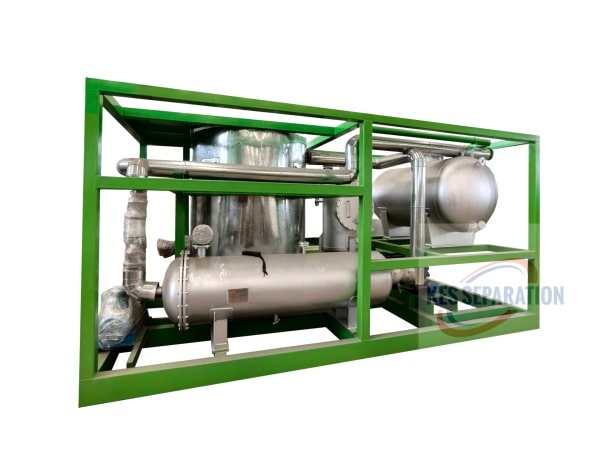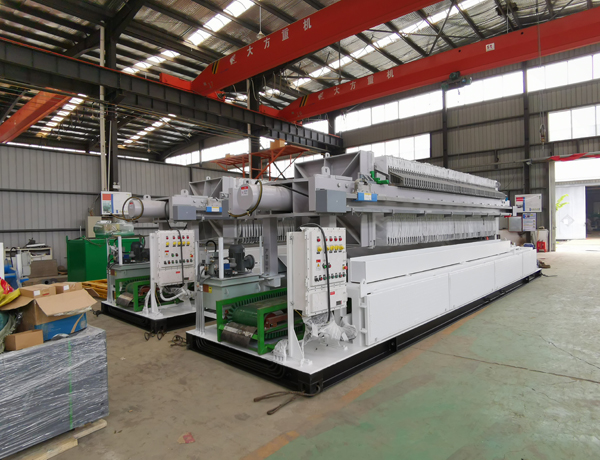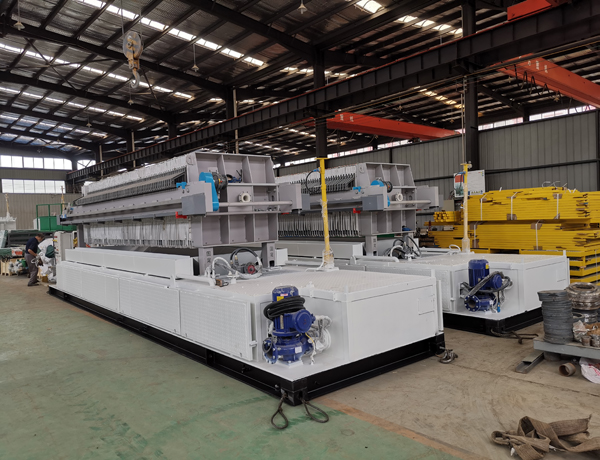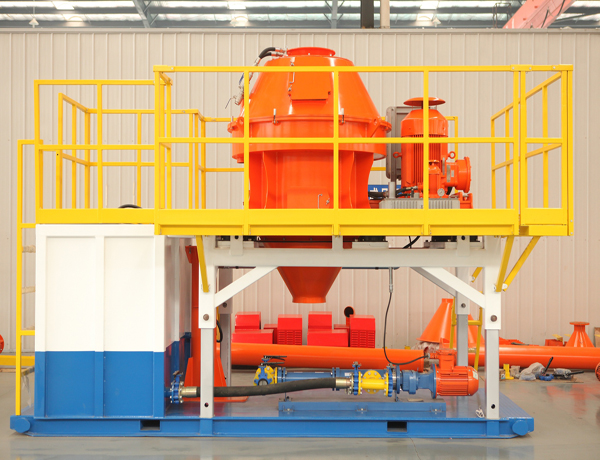
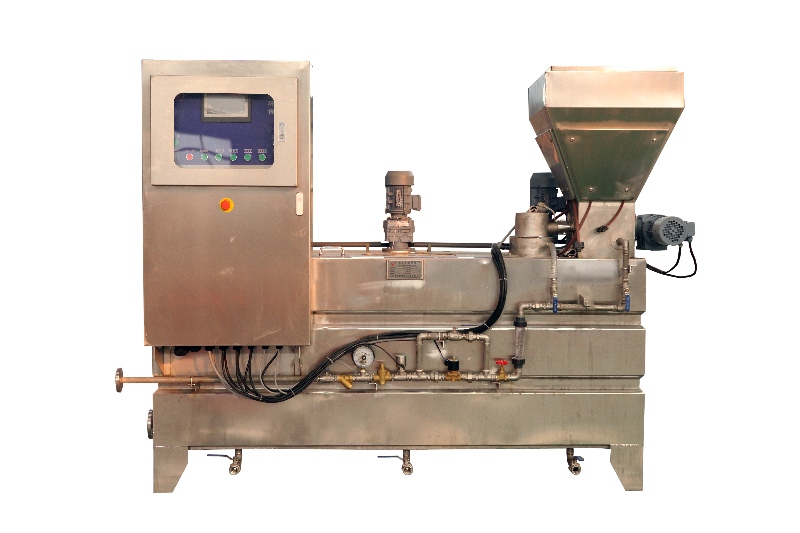
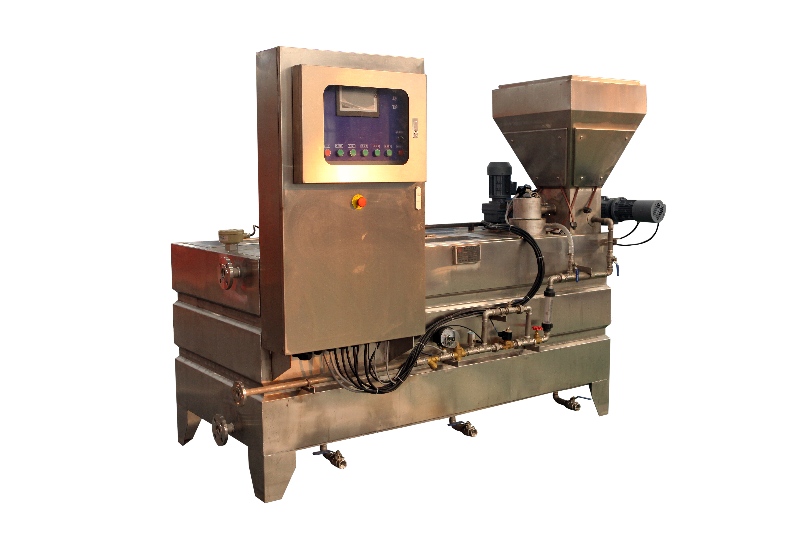
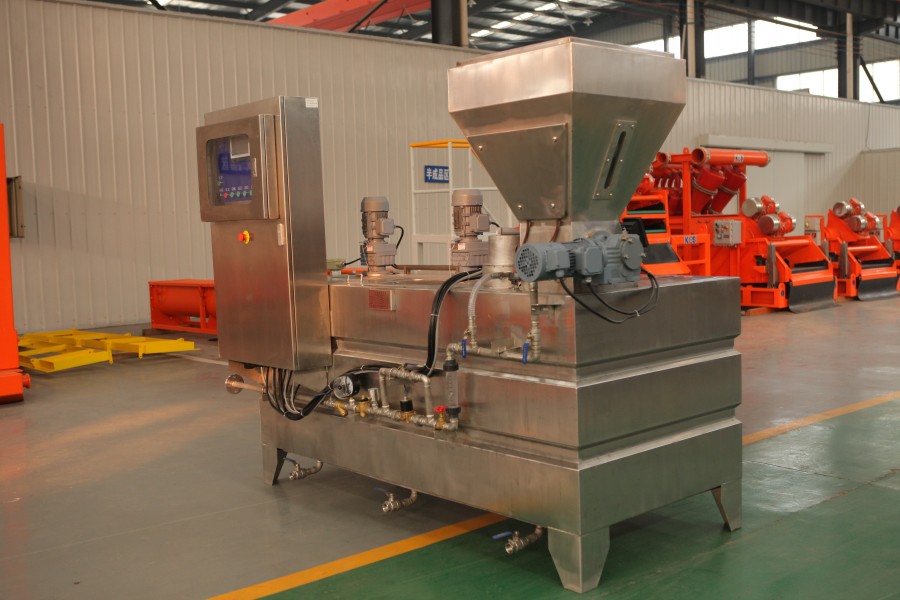
Chemical Dosing System
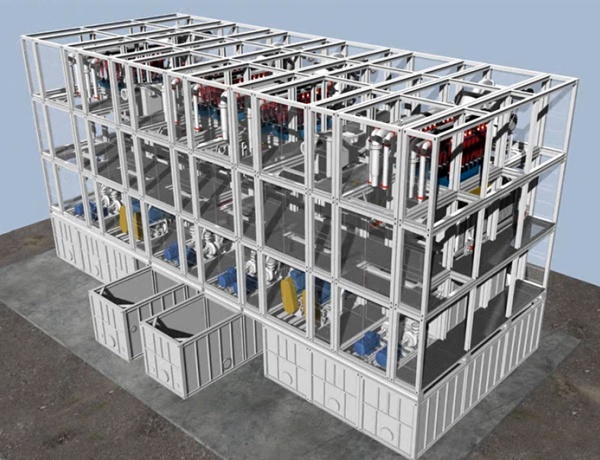
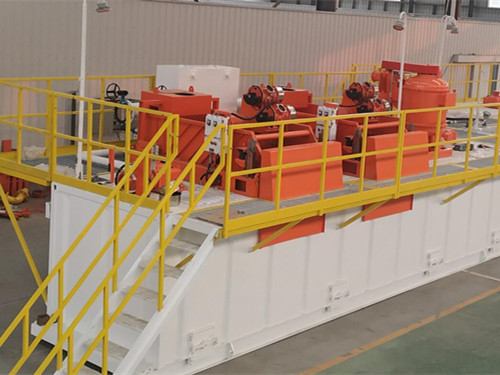
KESS can provide two types of Chemical Dosing System: Automatic Chemical Dosing System and Manual Dosing System. Chemical Dosing System is widely used in wastewater and sewage treatment and other process media treatment in petroleum, chemical, paper, electric power, coal, pharmaceutical and food industries.
Product Features
Chemical Dosing System for Accurate and Efficient Chemical Injection
The Chemical Dosing System is a critical solution used in modern industrial processes for accurate and controlled chemical injection. This system ensures precise dosing of chemicals in applications such as water treatment, oil and gas operations, and wastewater management.
The Dosing System plays a vital role in maintaining process efficiency, improving safety, and reducing operational costs. By automating the dosing process, industries can achieve consistent performance and minimize human error.
What is a Chemical Dosing System?
A Chemical Dosing System is designed to inject a specific amount of chemicals into a process stream at controlled intervals. It is widely used in industries where precise chemical control is essential for performance and compliance.
This system typically includes dosing pumps, storage tanks, control panels, and monitoring instruments to ensure accurate operation.
Key Features-
- High precision dosing capability
- Automated control system
- Corrosion-resistant materials
- Easy installation and maintenance
- Energy-efficient operation
The Dosing System is engineered to deliver reliable performance even in harsh industrial environments.
Components
1. Dosing Pump
The dosing pump is the core of the Dosing System, responsible for injecting chemicals accurately.
2. Chemical Tank
Stores the chemical solution safely before dosing.
3. Control Panel
Provides automated control and monitoring of the Dosing System.
4. Valves and Piping
Ensure smooth and leak-free chemical flow.
Working Principle
The Dosing System works by drawing chemicals from a storage tank and injecting them into the process line using a dosing pump. The system is controlled automatically to maintain precise dosing rates based on operational requirements.
Applications
- Water Treatment Plants
- Wastewater Treatment
- Oil & Gas Industry
- Chemical Processing Industries
Benefits-
Improved Accuracy
The Dosing System ensures precise chemical injection.
Cost Efficiency
Reduces chemical wastage and operational costs.
Safety Enhancement
Minimizes human exposure to hazardous chemicals.
Process Optimization
Improves overall system performance.
Why Choose Our Dosing System?
Our Dosing System is designed with advanced technology to provide reliable and efficient dosing solutions. It is suitable for a wide range of industrial applications and ensures long-term performance.
The Dosing System is an essential solution for industries requiring precise and efficient chemical injection. It enhances operational efficiency, reduces costs, and ensures environmental compliance.
Learn more about dosing systems on Wikipedia
FAQ-
1. What is a dosing system used for?
A dosing system is used to inject controlled amounts of chemicals into industrial processes such as water treatment, oil and gas operations, and manufacturing.
2. How does a dosing system work?
It works by using a pump to transfer chemicals from a storage tank into a process line at a precise and controlled rate.
3. Where are dosing systems commonly used?
They are widely used in water treatment plants, wastewater facilities, chemical industries, and oil and gas operations.
4. What are the main components of a dosing unit?
A typical system includes a dosing pump, chemical tank, control panel, valves, and pipelines.
5. Why is accurate dosing important?
Accurate dosing helps maintain process efficiency, reduces chemical waste, and ensures safety in industrial operations.
6. Can dosing systems be automated?
Yes, most modern systems come with automation features that allow precise control and monitoring.
7. What types of chemicals can be handled?
These systems can handle a wide range of chemicals including acids, alkalis, and other industrial solutions.
8. Is maintenance required for dosing equipment?
Regular maintenance is essential to ensure long-term performance and prevent system failure.
9. How do you choose the right dosing solution?
Selection depends on flow rate, chemical type, pressure requirements, and application needs.
10. Are dosing systems energy efficient?
Yes, modern systems are designed to be energy-efficient and cost-effective for long-term use.